Our Works of Charity / David Bethuram
Let’s do all we can to ensure older adults live with dignity
It is widely recognized that people today are living much longer, thanks to advances in health care and improved living conditions.
In October 2025, Pope Leo XIV met with participants of a Vatican conference themed “Your elders shall dream dreams!”—a three‑day gathering focused on the pastoral care of older adults, sponsored by the Dicastery for Laity, the Family and Life. He emphasized that the Catholic Church, at every level, must respond to rising life expectancies and shifting global demographics.
Pope Leo has made the care, dignity and inclusion of older persons a defining priority of his papacy. He frequently describes old age as both “a gift and a challenge,” calling for a “revolution of care” that combats loneliness and abandonment.
In his view, the elderly are not merely recipients of assistance but active evangelizers and witnesses of hope. He often reminds older adults that age does not diminish their God‑given freedom to love and to pray—gifts that enrich the spiritual life of the entire Church.
Retirement can mark a period of declining physical strength, or it can be a season in which older adults remain active, capable and newly free from the responsibilities of work and raising a family.
In either case, Pope Leo XIV insists that the Church must be present: ready to offer support, eager to receive the gifts of older persons, and committed to challenging cultural attitudes that portray them as burdens.
While reaching old age is a blessing, it also brings challenges that deserve greater attention. Too often, people only recognize these difficulties when they begin to age themselves or when a loved one struggles.
As a society, we can and should do more to ensure that older adults live with dignity. The following sections outline some of the most significant challenges they face today—and how we can better support them.
Persistent stereotypes about older adults can lead to isolation and marginalization. Creating meaningful opportunities for them to participate in community life—through social events, volunteer roles and intergenerational programs—helps preserve their sense of identity and self‑worth. It also allows society to benefit from their wisdom, experience and perspective.
Although people are living longer, employment structures and retirement systems have not kept pace. Many older adults are willing and able to work beyond traditional retirement age, yet opportunities are limited. Managing finances has also become more complex as services move online, leaving some older individuals vulnerable to confusion, fraud and scams.
As mobility and dexterity naturally decline, everyday tasks can become difficult. This may limit independence and reduce opportunities for social engagement or hobbies. Greater support—through adaptive products, safety‑focused programs and mobility‑enhancing services—can help older adults maintain independence and continue thriving.
When full independence is no longer feasible, many older adults require additional care. Family members often step in, but caregiving can place significant emotional and practical strain on them. Caregivers need proper training, resources and support to care well for their loved ones while also caring for themselves.
In other situations, professional caregivers or structured programs—such as Adult Day Services or comprehensive in‑home elder care—are more appropriate, especially when medical needs are complex. These services allow older adults to remain in their homes while receiving the support they need.
Health care can be fragmented and difficult to navigate, particularly for older adults with chronic conditions. Coordinating medications, appointments and multiple specialists can be overwhelming without adequate support.
Although death is a universal reality, many people find it difficult to discuss or plan for. Older adults and their families need compassionate guidance as they consider end‑of‑life options, financial implications, and how to ensure that personal wishes are honored.
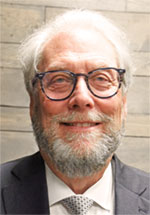
(David Bethuram is executive director of the archdiocesan Secretariat for Catholic Charities. You can contact him at dbethuram@archindy.org.) †